Meditation
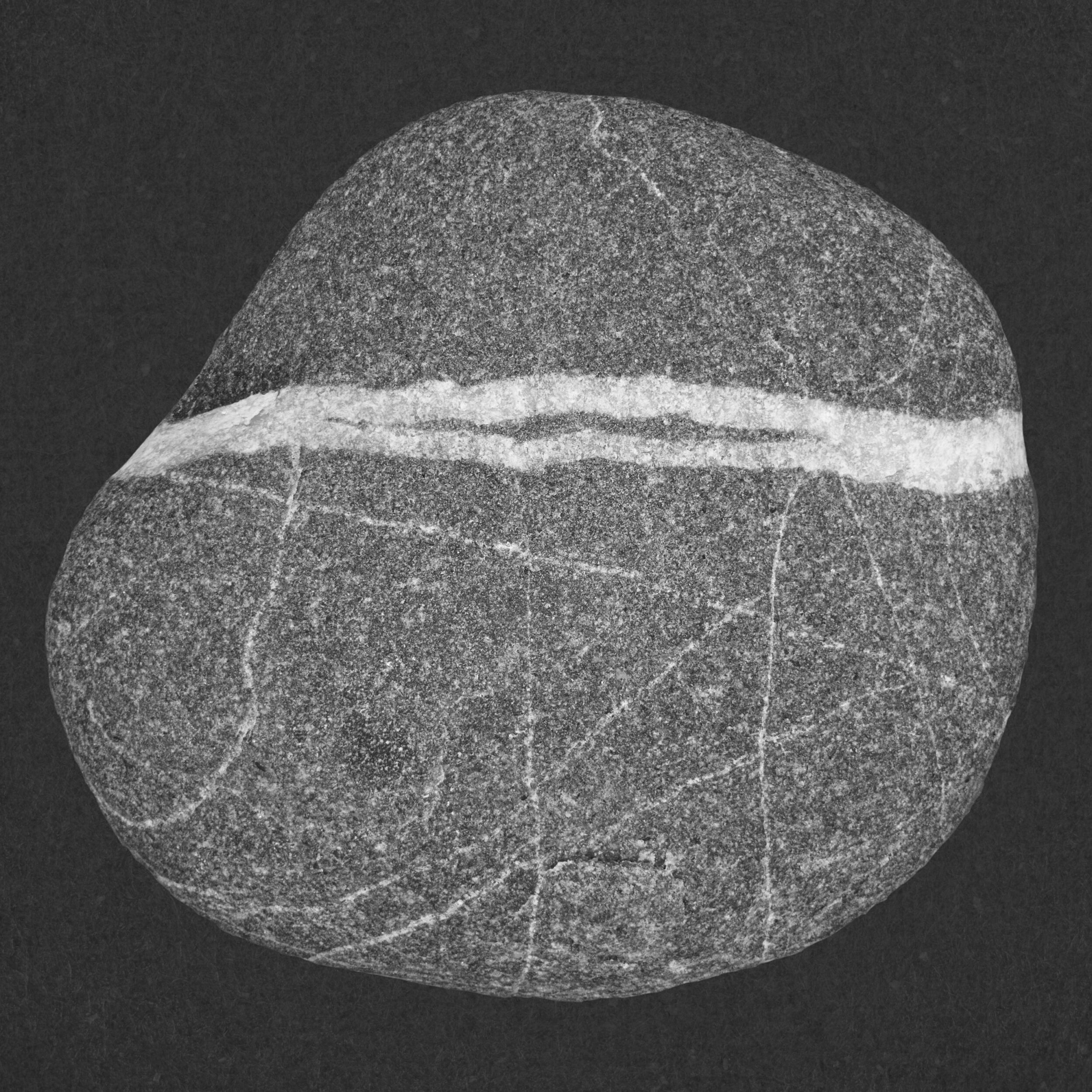
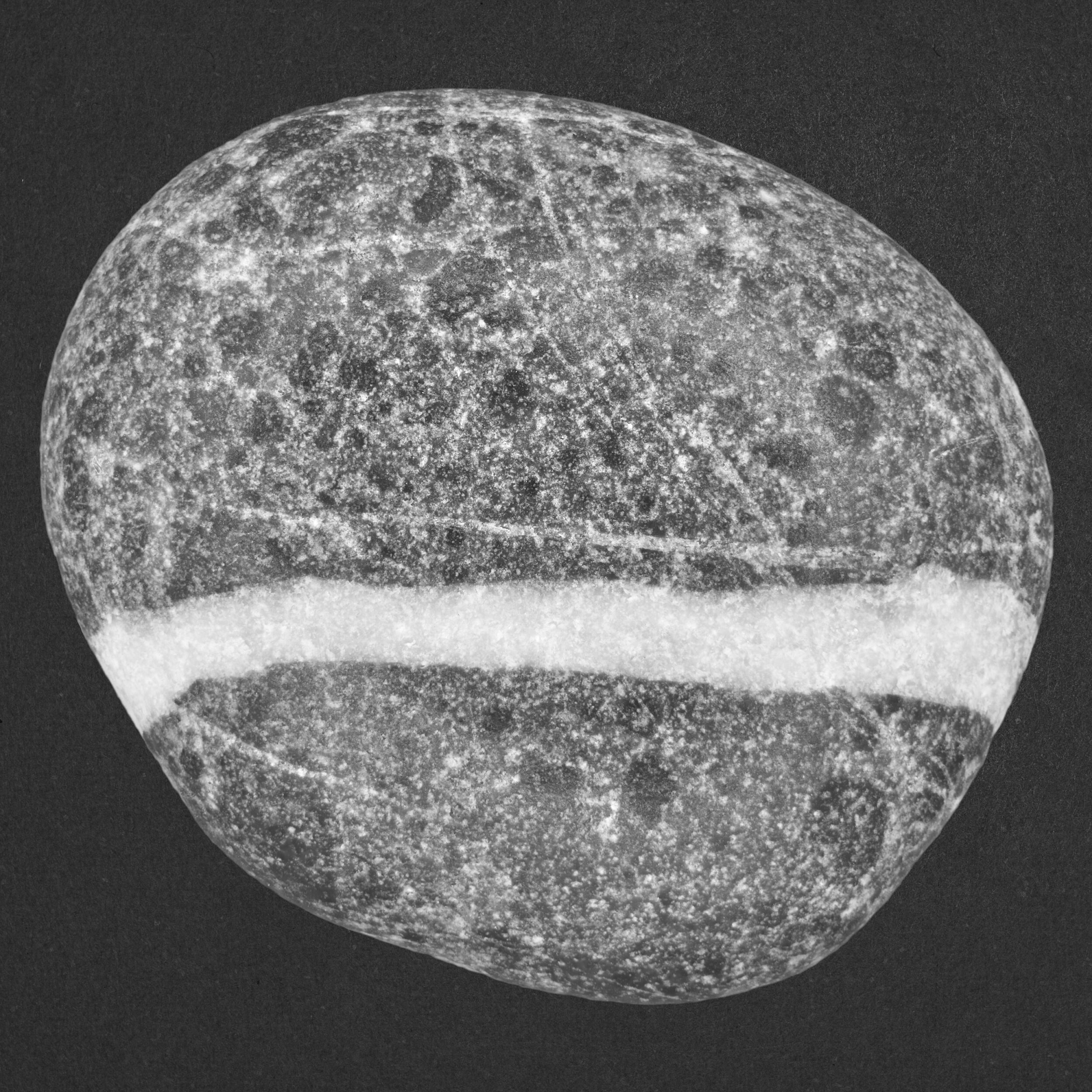
This series is grounded in the phenomenology of attention and the experience of meditation. Rather than presenting objects to be deciphered, the images function as perceptual fields in which seeing becomes aware of itself. What matters is not representation, but the conditions under which perception unfolds when intention is held in suspension.
From a phenomenological perspective, the images invite viewers to bracket habitual meanings. They are encouraged to dwell with what appears, before any interpretation or symbolic attribution. As in meditation, attention is gathered to perceive its own movement: its resting, its drifting, and its renewed return. The image becomes a site where consciousness encounters its own enactment, its duration, its orientation, and the quiet resistance of what is given.
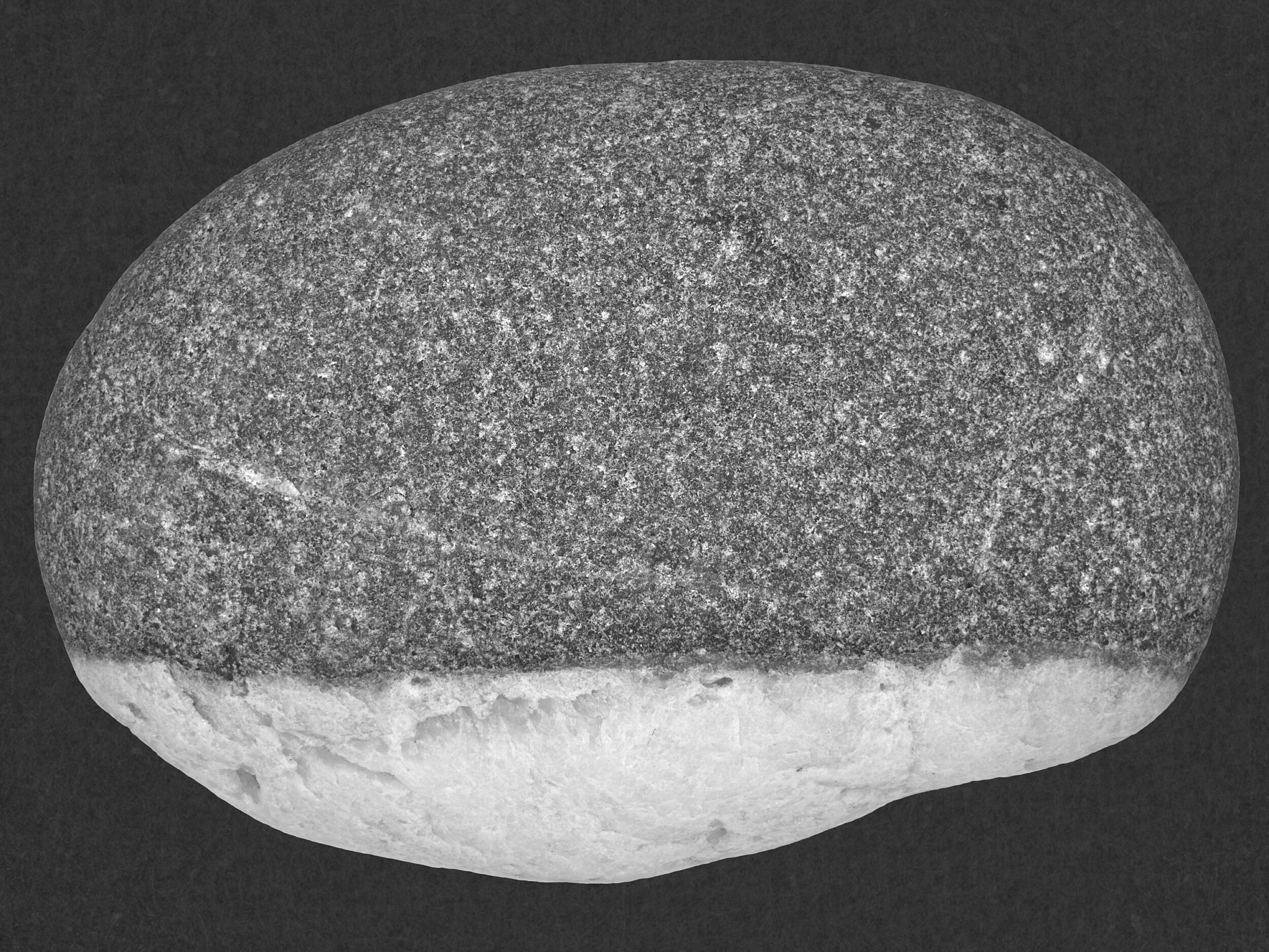
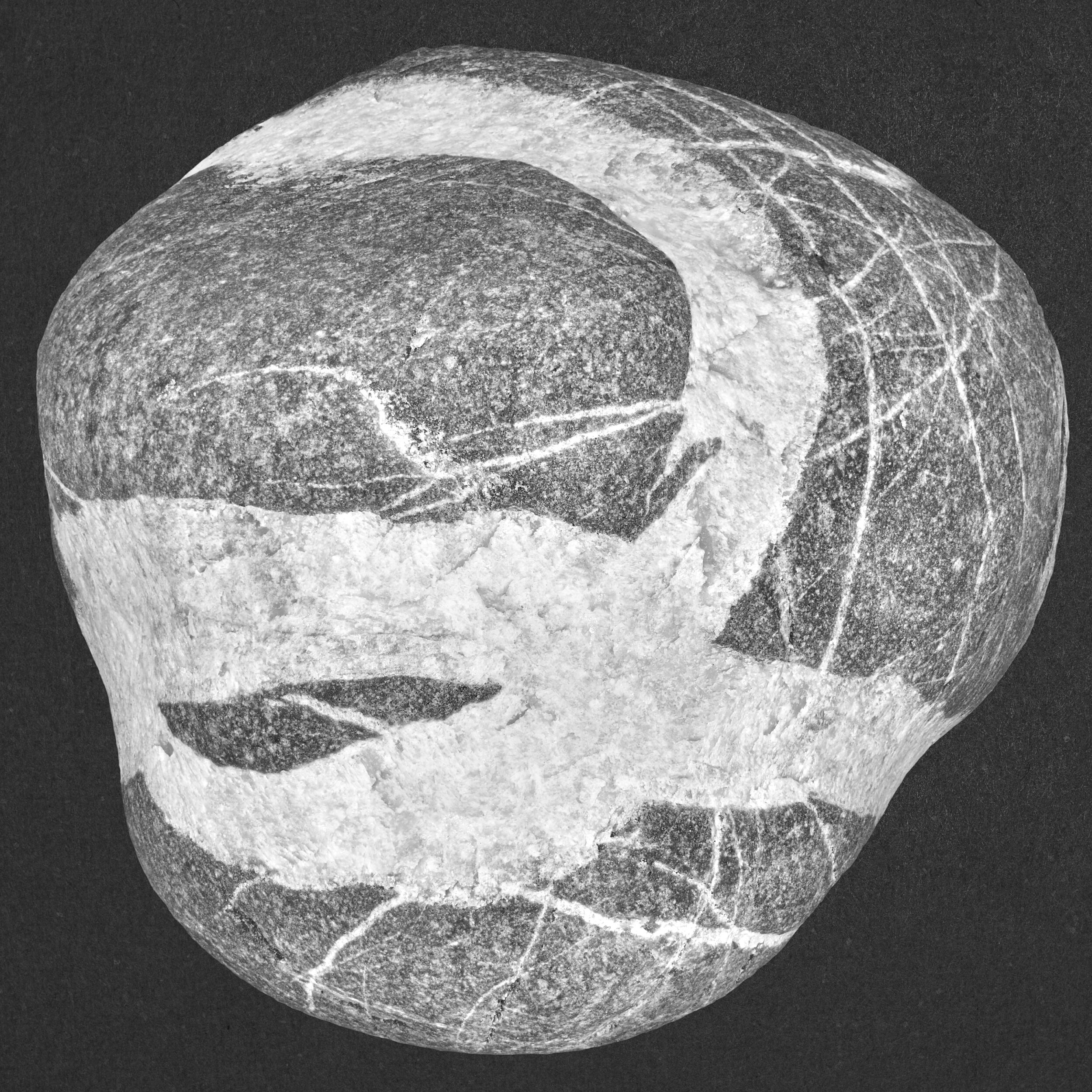
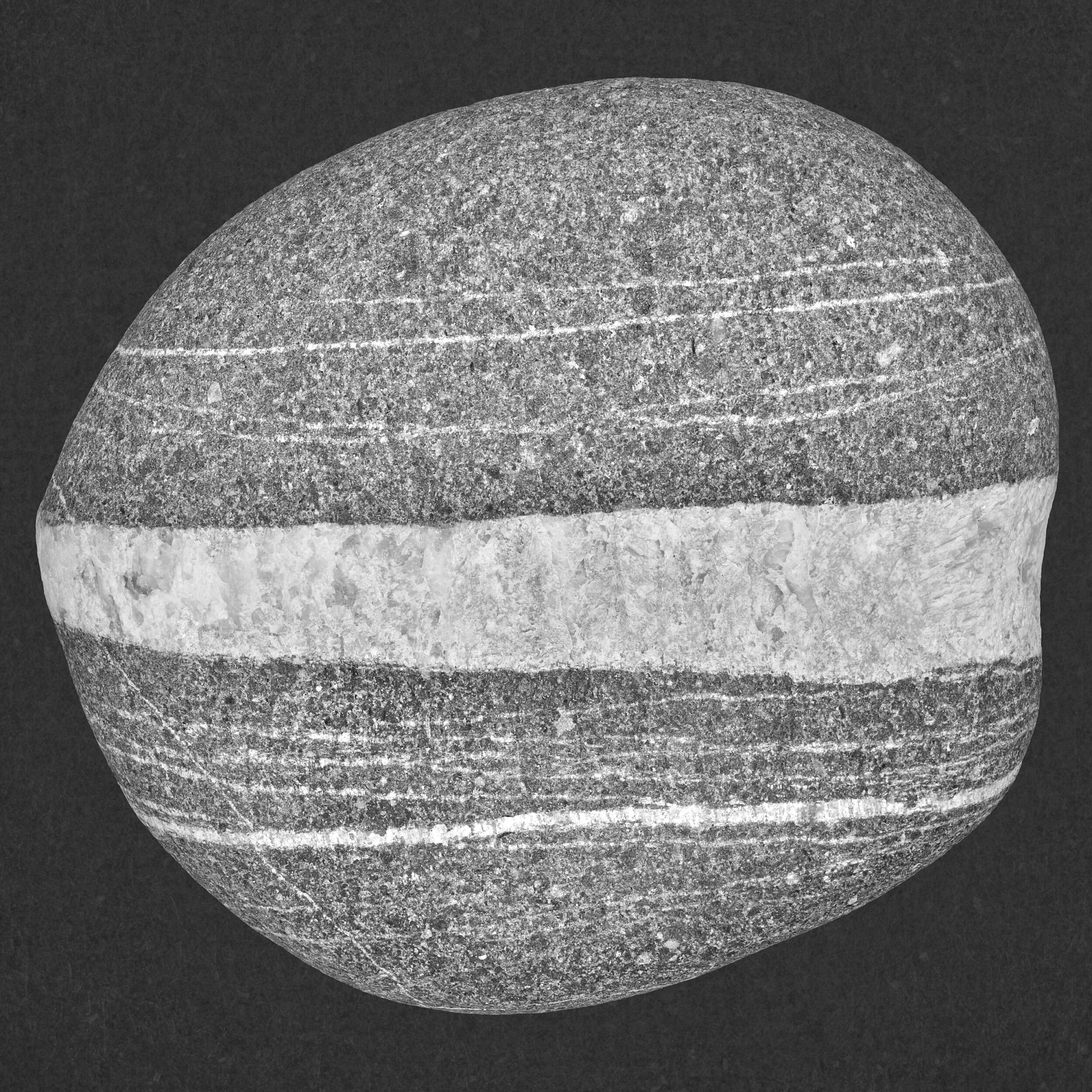
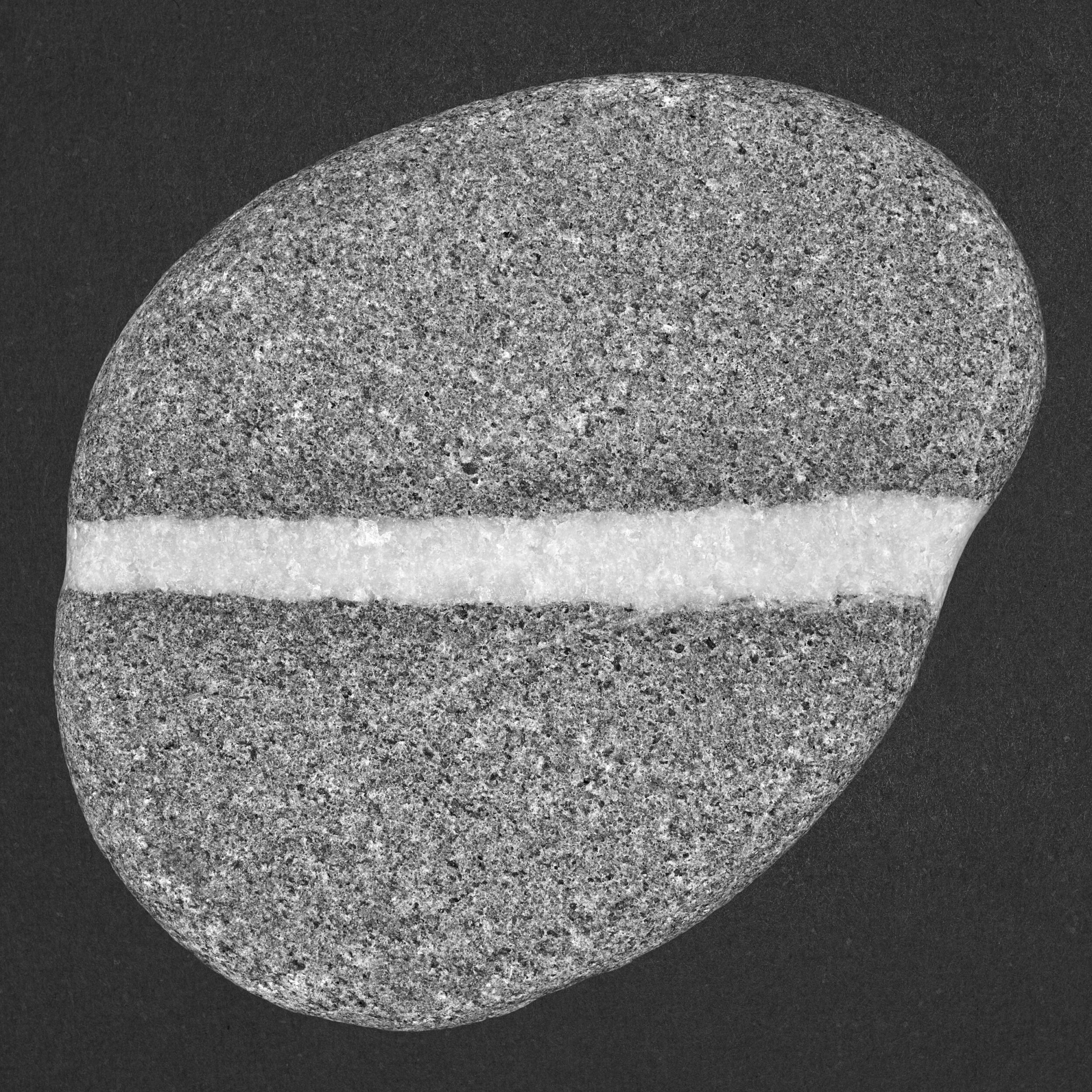
A reference point, such as a stone, serves merely as a stabilizing presence. It does not signify; it persists. Its indifference corresponds to the neutrality of the meditative object in Buddhist practice, which neither reacts nor reveals but allows the arising and passing of mental formations to be observed. Similarly, in Irish traditions surrounding wishing stones, intention rests on a mute surface that remains unchanged. In both cases, meaning arises not from the object itself, but through sustained attention.
Formally, the series resists any orientation toward rapid legibility in order to open a temporal space in which perception unfolds slowly. Seeing does not occur as a punctual act of recognition, but as durée, a continuous, evolving state of consciousness. Viewing becomes a practice of staying with, a meditation in which meaning is not imposed but experienced over time, and in which attention encounters its own subtle movements, pauses, and returns.