Cliché Verre
The history of photography began in 1839, when William Henry Fox Talbot presented his groundbreaking discoveries regarding the negative-positive process to the Royal Society in London. Through his experimental works, Talbot laid the foundation for modern photography, demonstrating a broad spectrum of possible applications for the new technology. His early photographs, which he referred to as "Shadow Pictures," "Photogenic Drawings," or "Photogenic Etchings," showcased the immense versatility of the medium. In his famous work The Pencil of Nature, Talbot highlighted techniques like Cliché-verre, which was to play a significant role in blending traditional artistry with photographic innovation. This technique, involving a manually crafted negative plate, was then transferred onto light-sensitive photographic paper. It questioned the camera's role and elevated the artist’s manual intervention to a central role in image-making.
Cliché-verre, akin to etching, uses a glass plate coated with a lightproof substance that the artist scratches, creating their image. This image is then exposed onto photographic paper, resulting in a photographic reproduction of the artist’s manual creation. Combining traditional craftsmanship with the photographic process, it challenges preconceived notions of what "art" means in a rapidly mechanized world.
In today’s world of increasing digitalization, there is a growing desire for tangible, physical experiences. Does this mean that traditional artistic techniques will once again gain prominence? Recent exhibitions suggest so. Art academies, for instance, present works created through age-old techniques like batik, collage, and knotting, blending seamlessly with today’s do-it-yourself movement. As the virtual self-portrayal becomes increasingly difficult, the physical handling of materials and the body becomes a prominent feature. Art is transforming into a deeply personal, active experience.
This shift toward physicality also extends to lens-based media such as photography, video, and film. Alongside the works of historic artists like Harry Smith, Len Lye, and Stan Brakhage, contemporary exhibitions such as Drawing on Film at the Drawing Center in New York and Schirn Kunsthalle in Frankfurt have shown how artists today are reviving the practice of direct filmmaking by manually manipulating footage. Photography, too, has witnessed a similar revival. Artists are experimenting with collages, photograms, and particularly with the Cliché-verre technique.
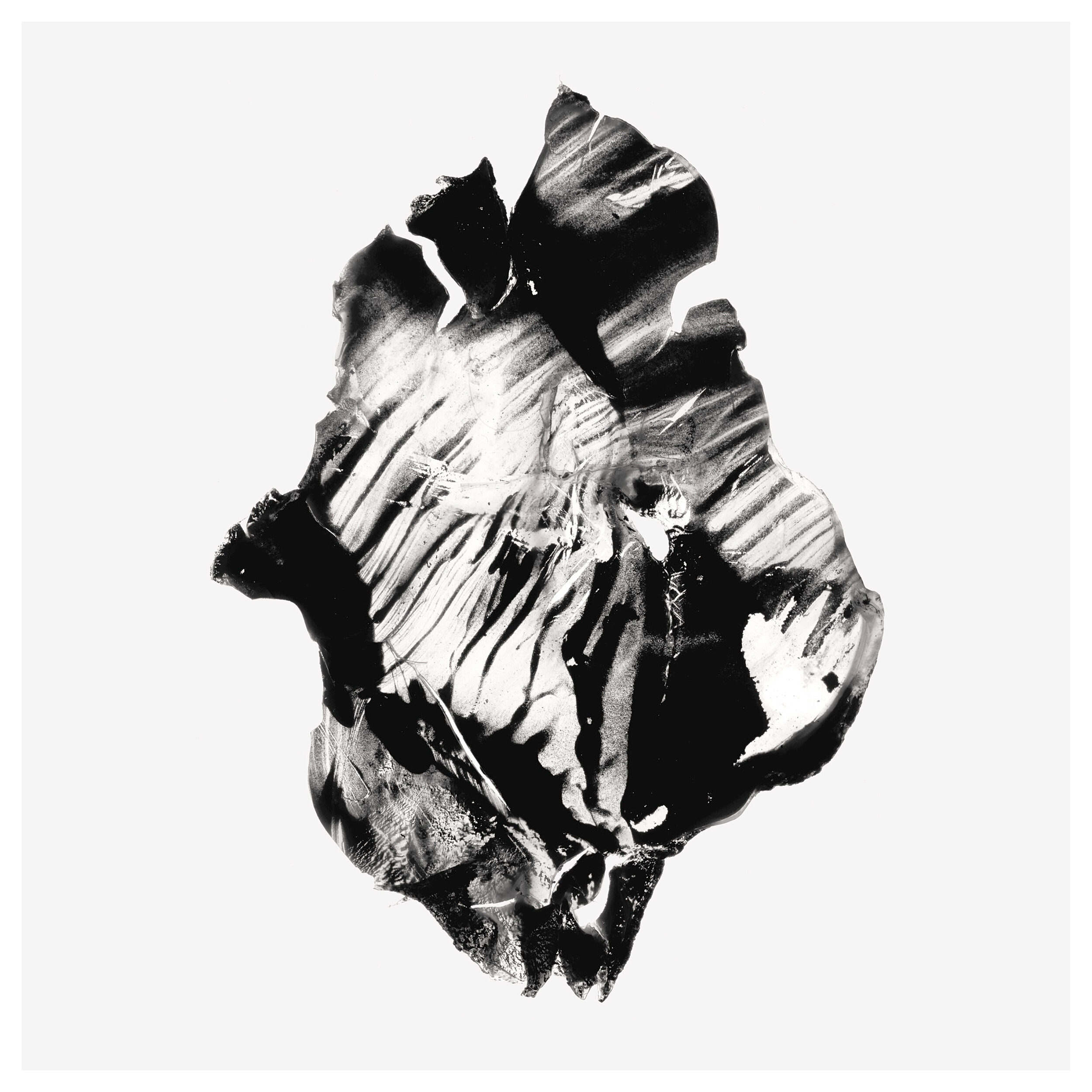
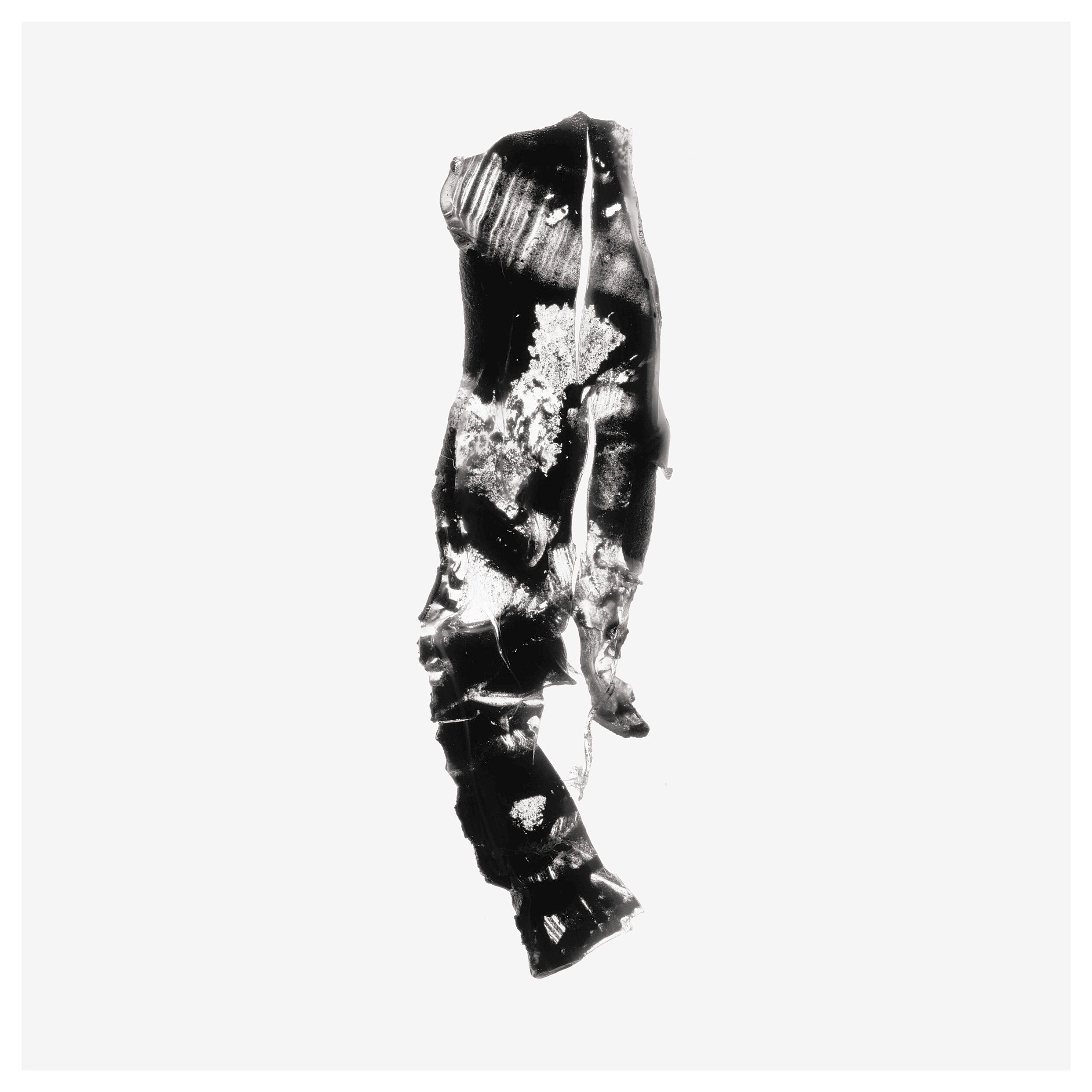
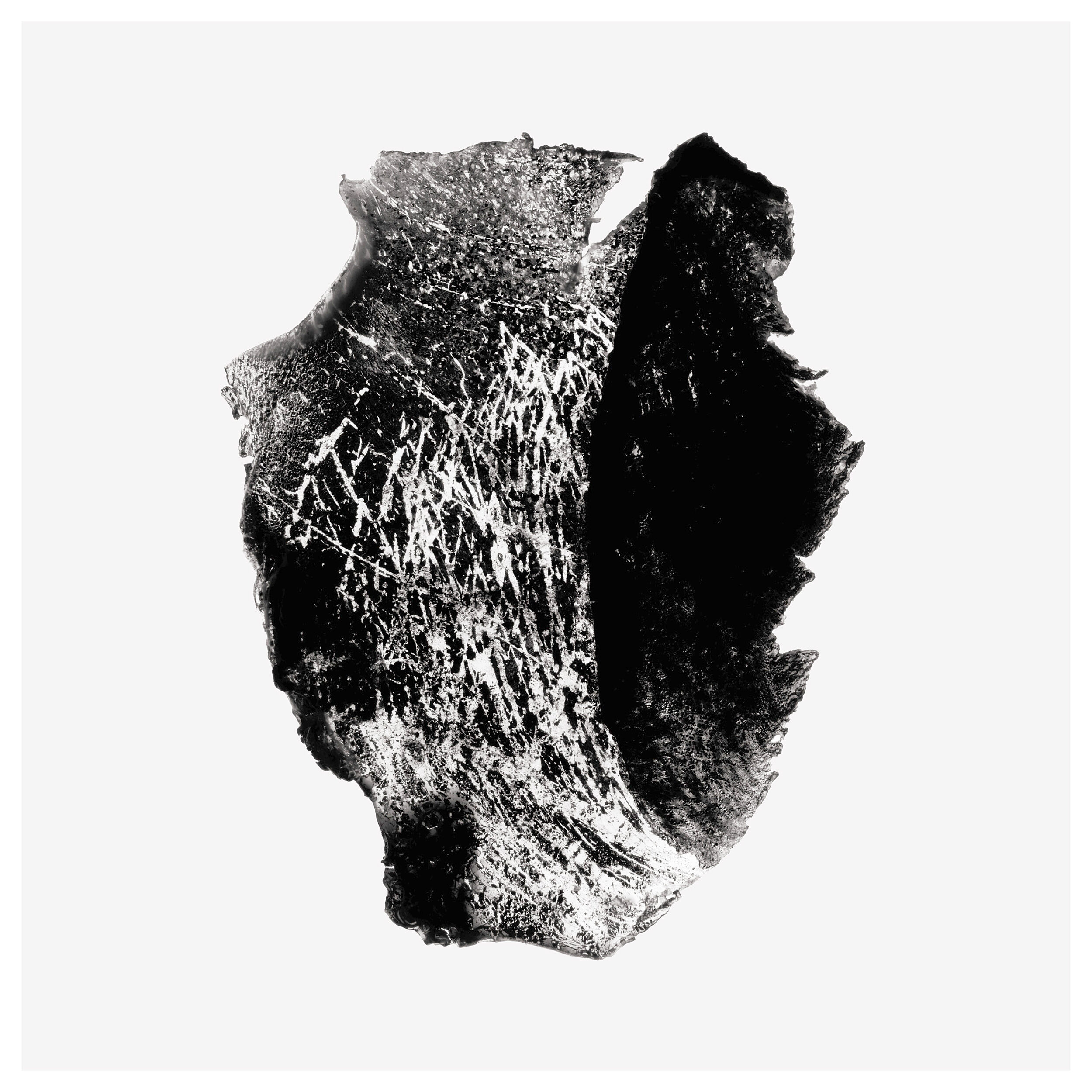
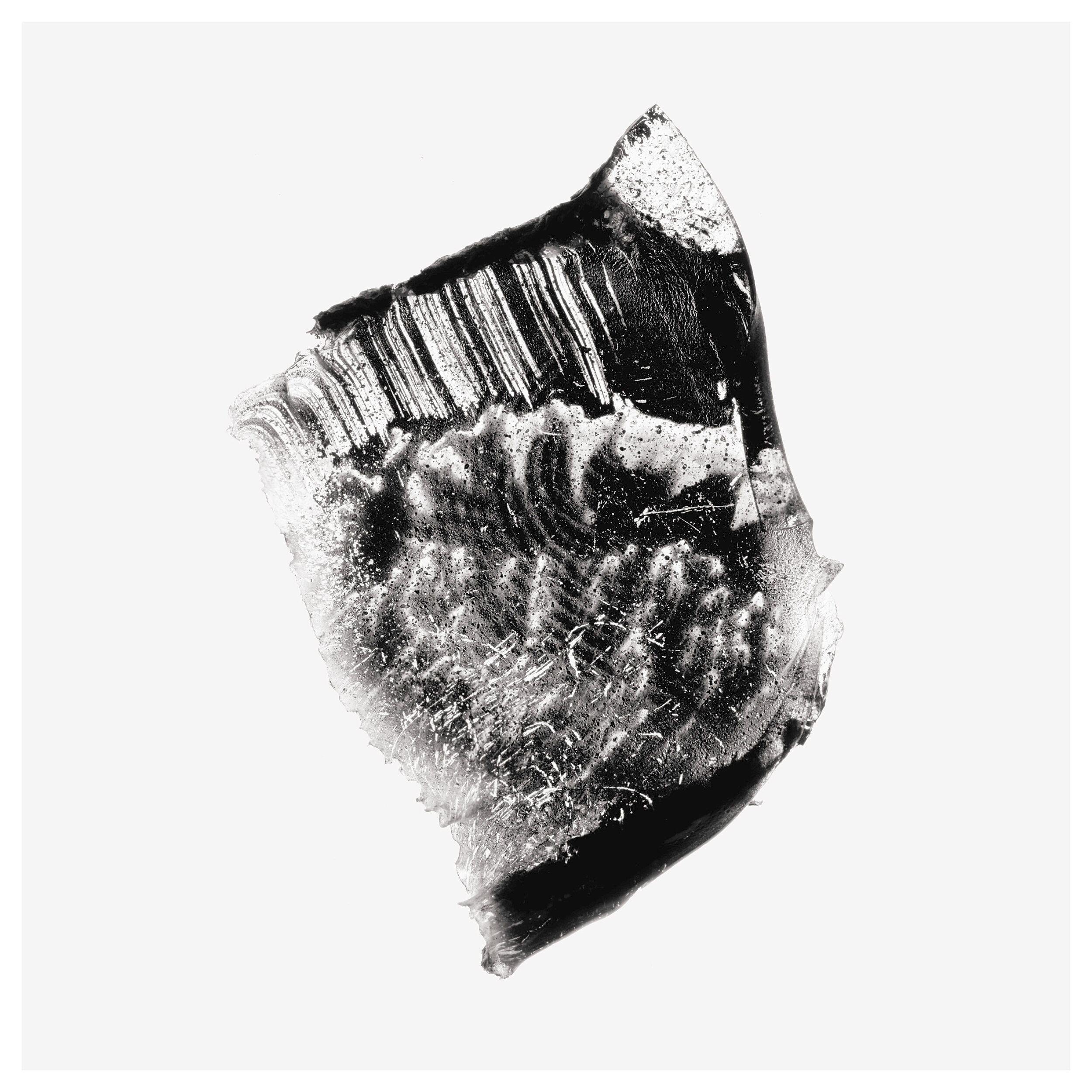
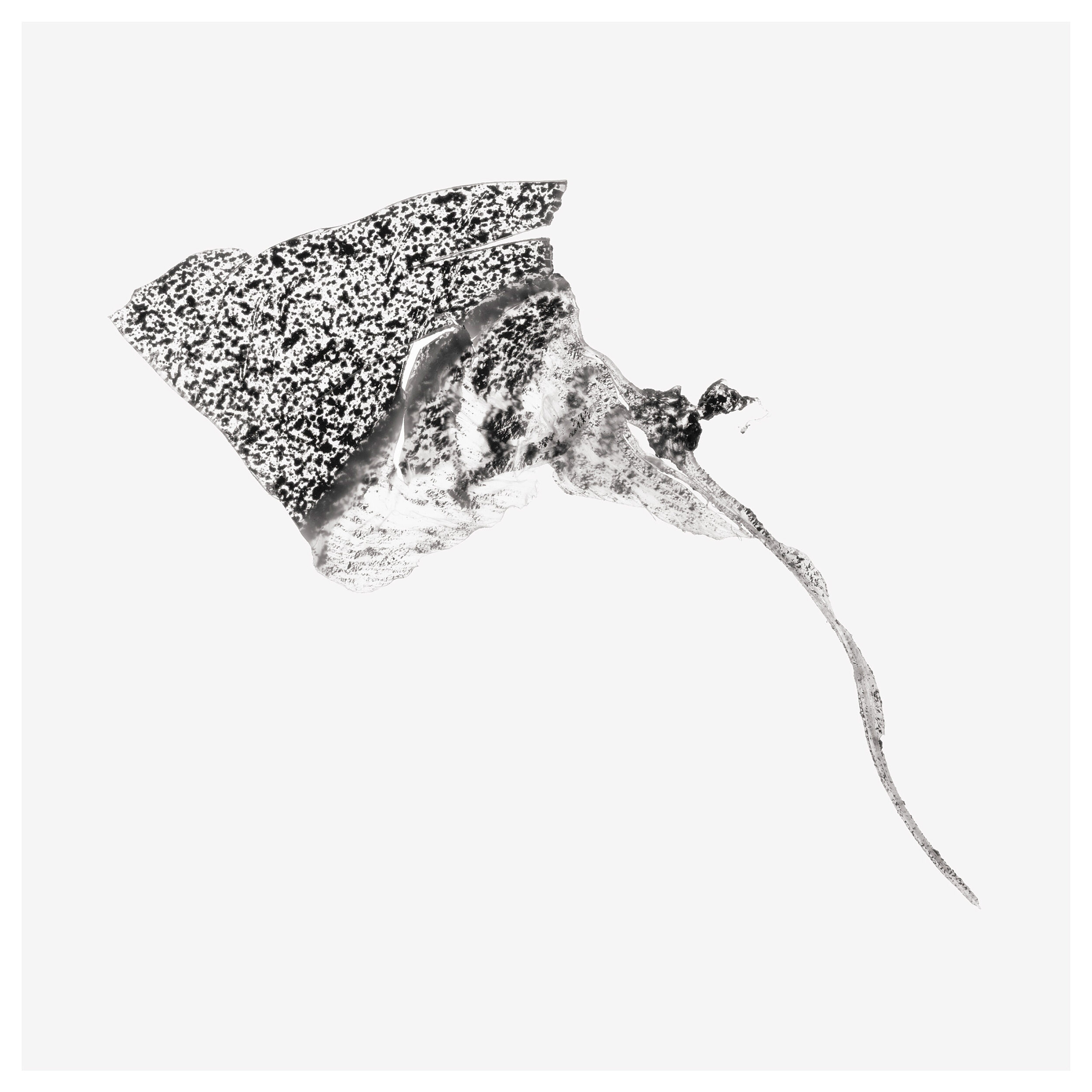
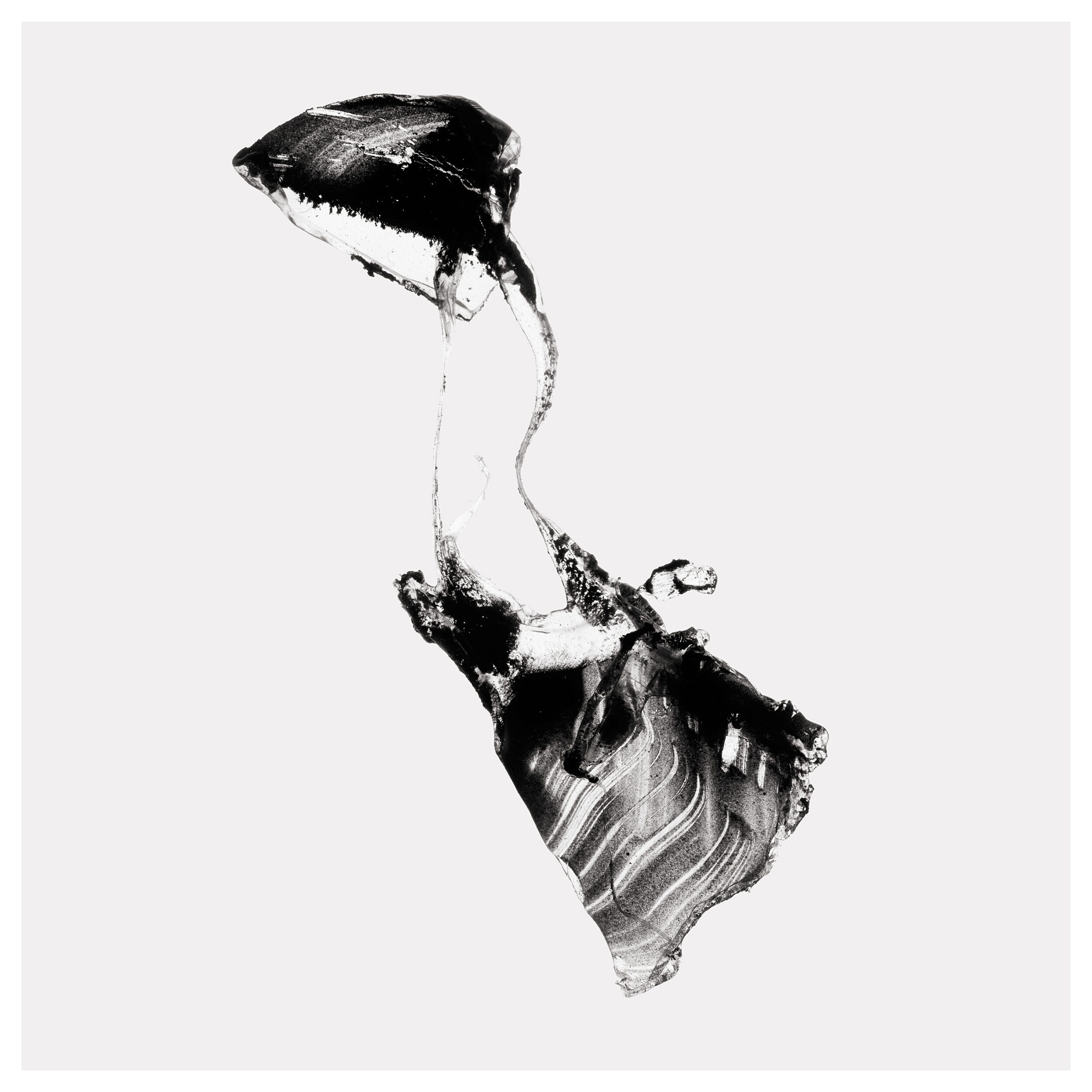
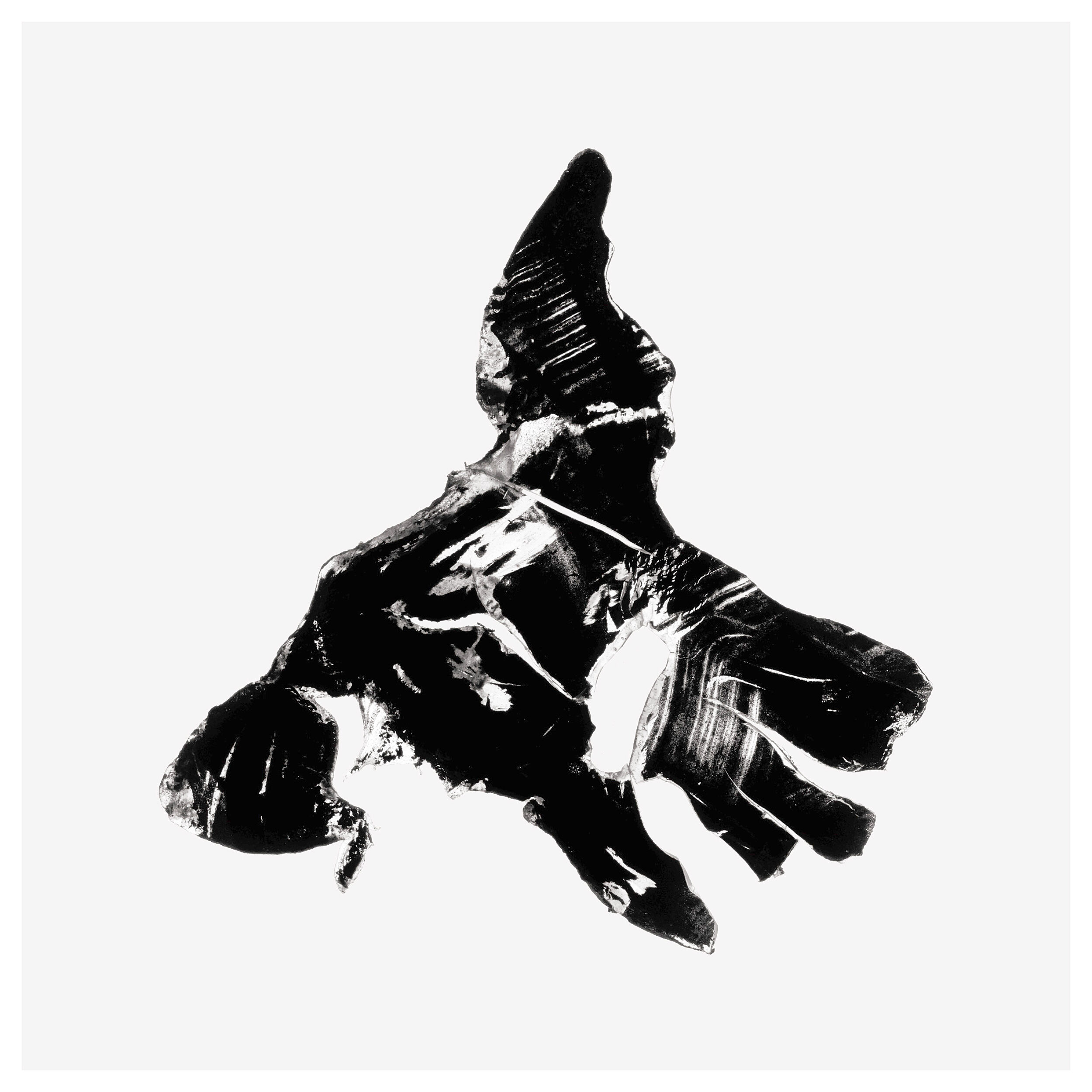
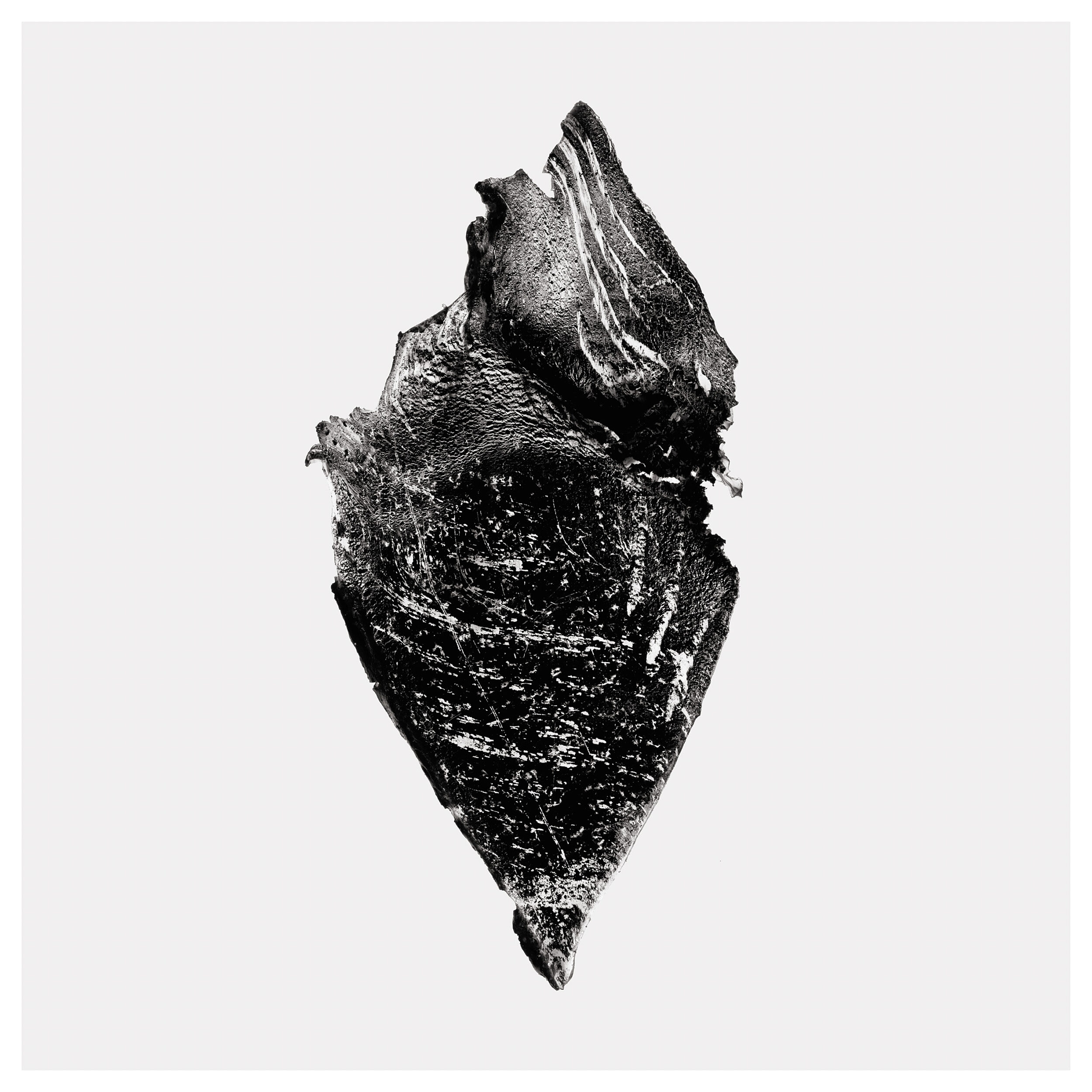
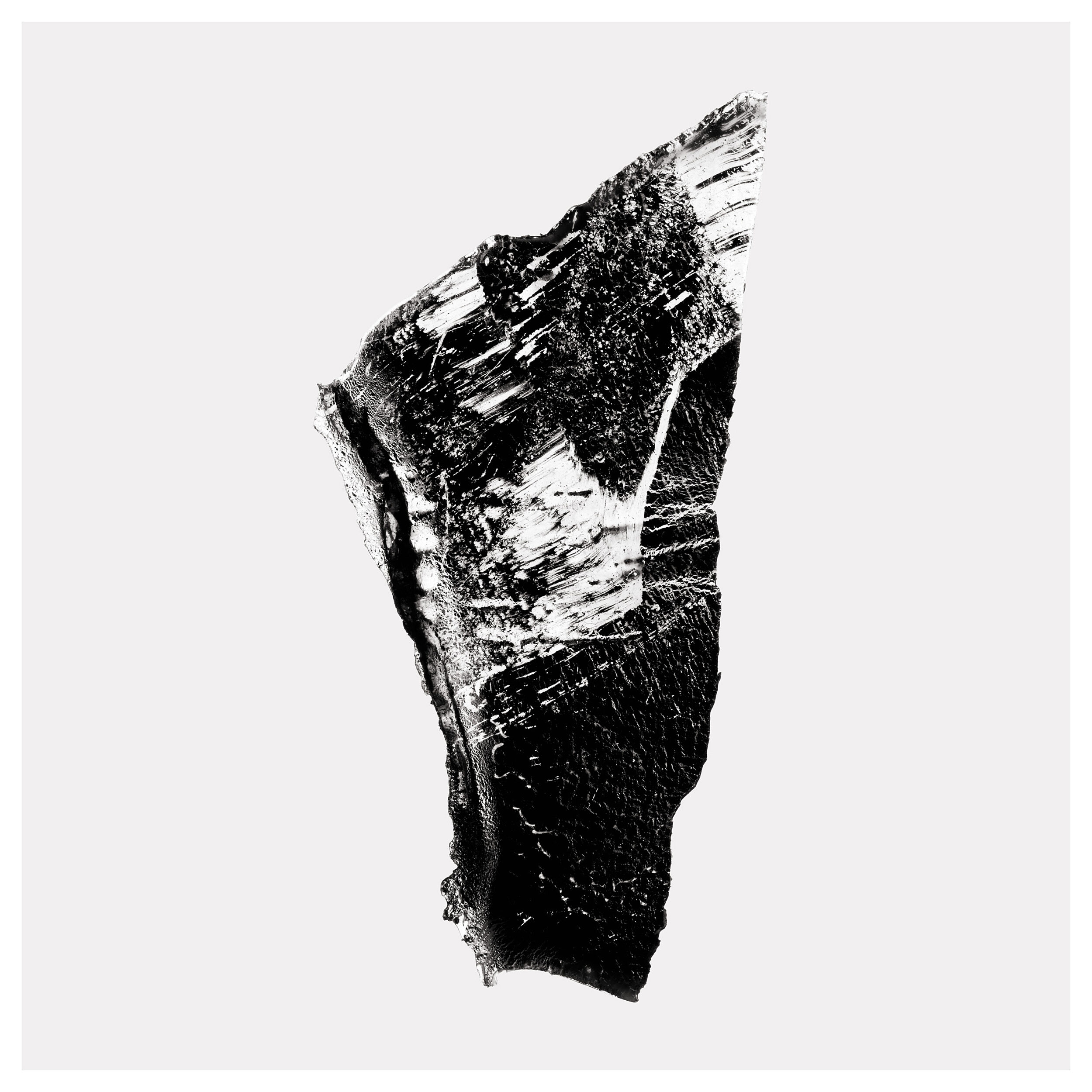
This is where my work comes into play. As an artist, I have been deeply drawn to the potential of Cliché-verre, a medium that seamlessly blends traditional techniques with modern sensibilities. Using polyester film coated with graphite, I create a unique surface that replaces the traditional glass plate. I process and scratch the graphite layer in a way that is guided more by instinct and chance than by a predefined concept. The act of transforming the material through physical intervention is central to my artistic process. The alchemical moment occurs when I apply heat to the film, making it brittle and fragile, nearly destroying it in the process.
Once the film is shaped, I carefully flatten it and place it on an enlarger, where it is exposed onto light-sensitive paper. The three-dimensional form of the object takes on a two-dimensional contour, captured in shades of black and white. The final prints are not only physical records of this transformation, but also evoke a sense of the object’s original essence. There’s a surreal quality to these works, they are at once familiar and unidentifiable, inviting the viewer to project their own interpretations and emotions.