Decisions
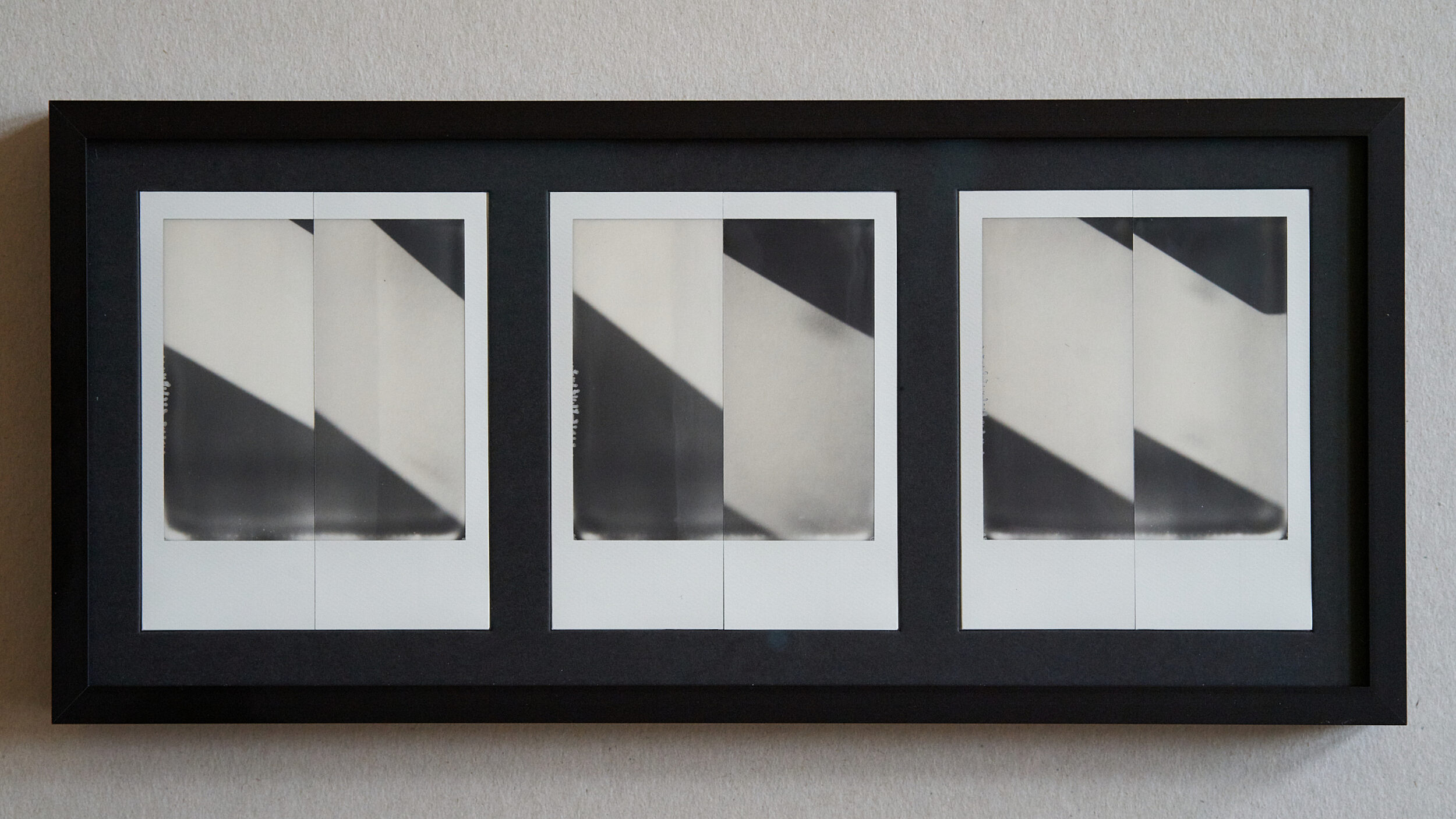
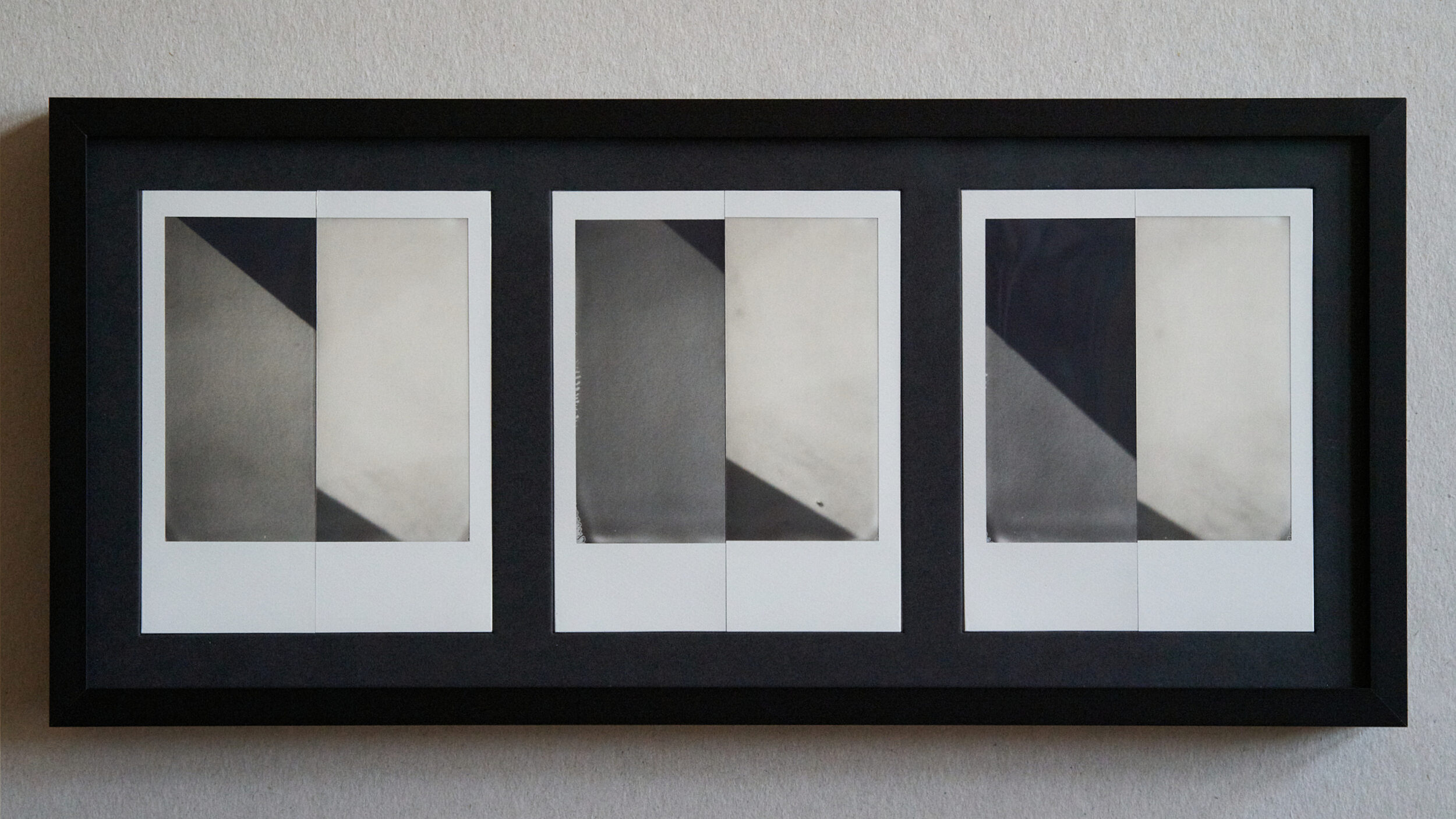
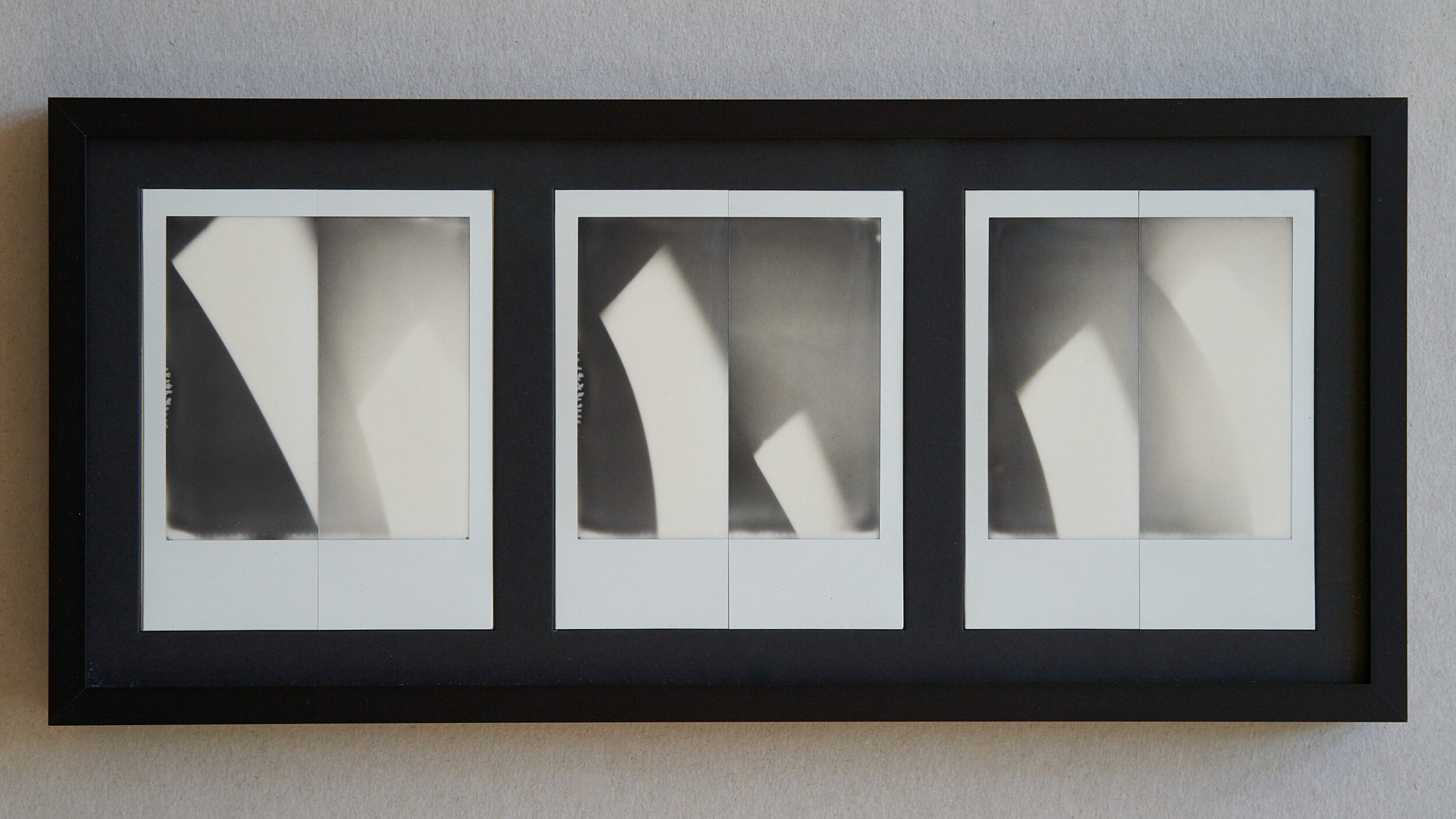
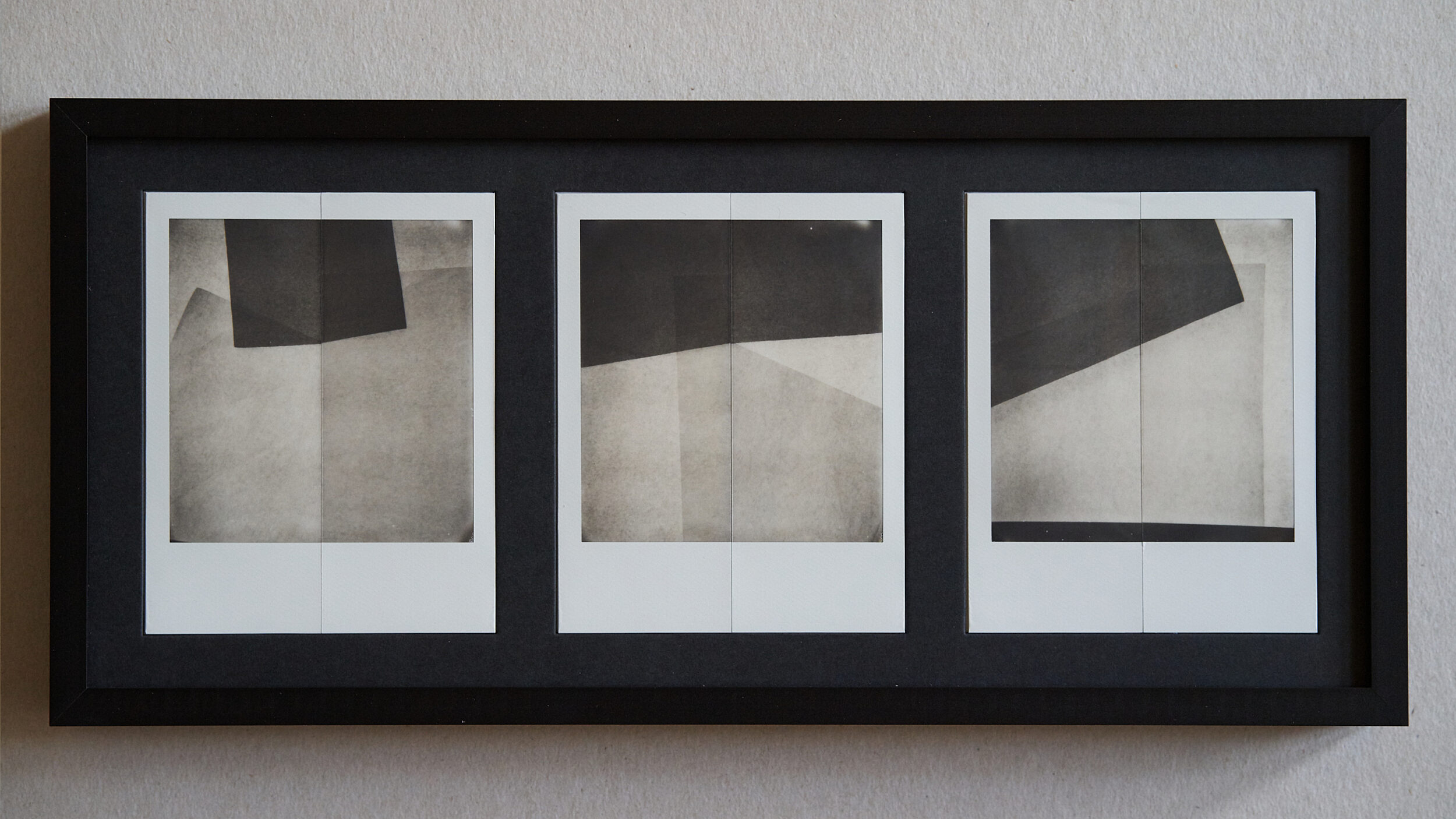
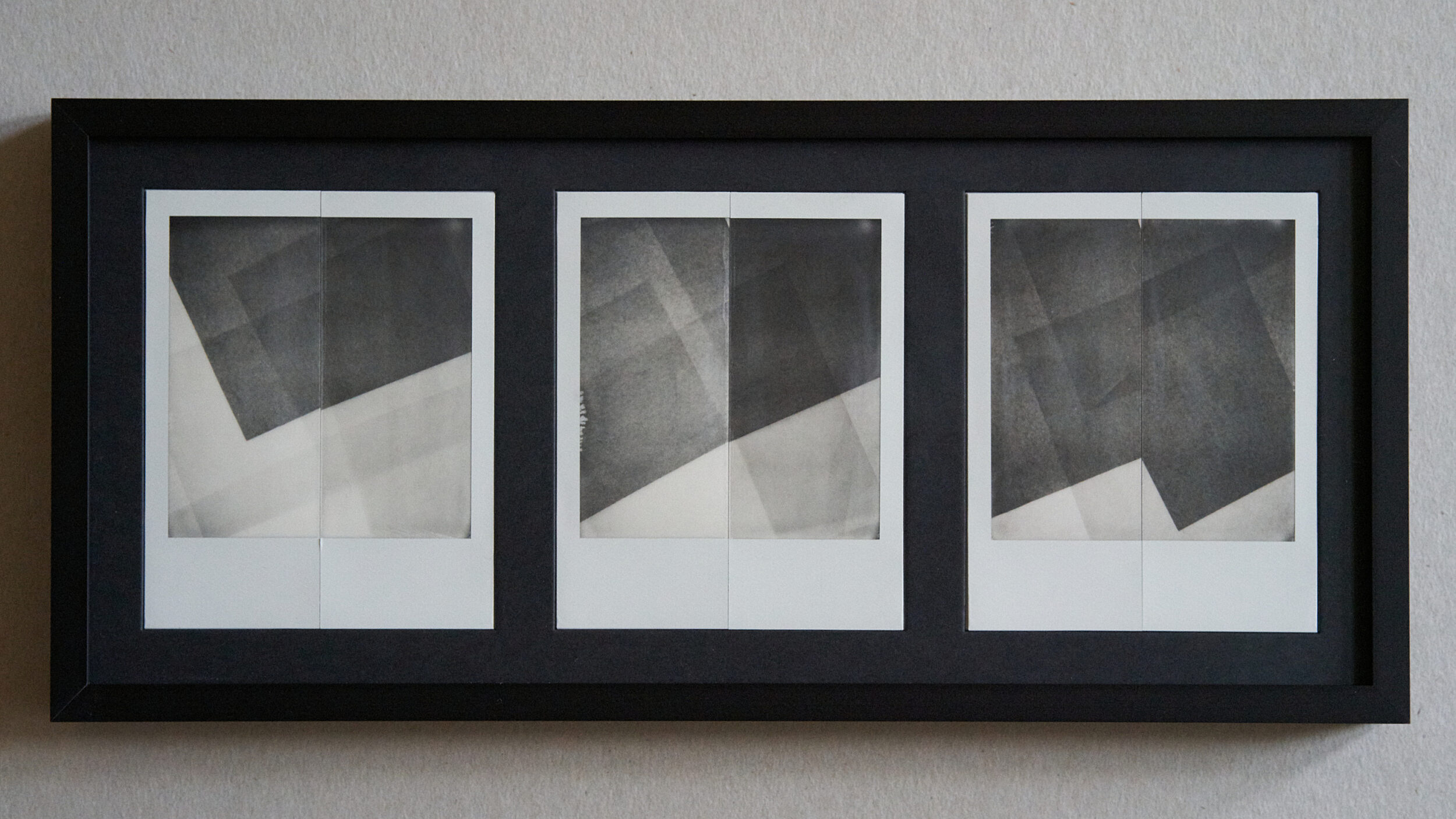
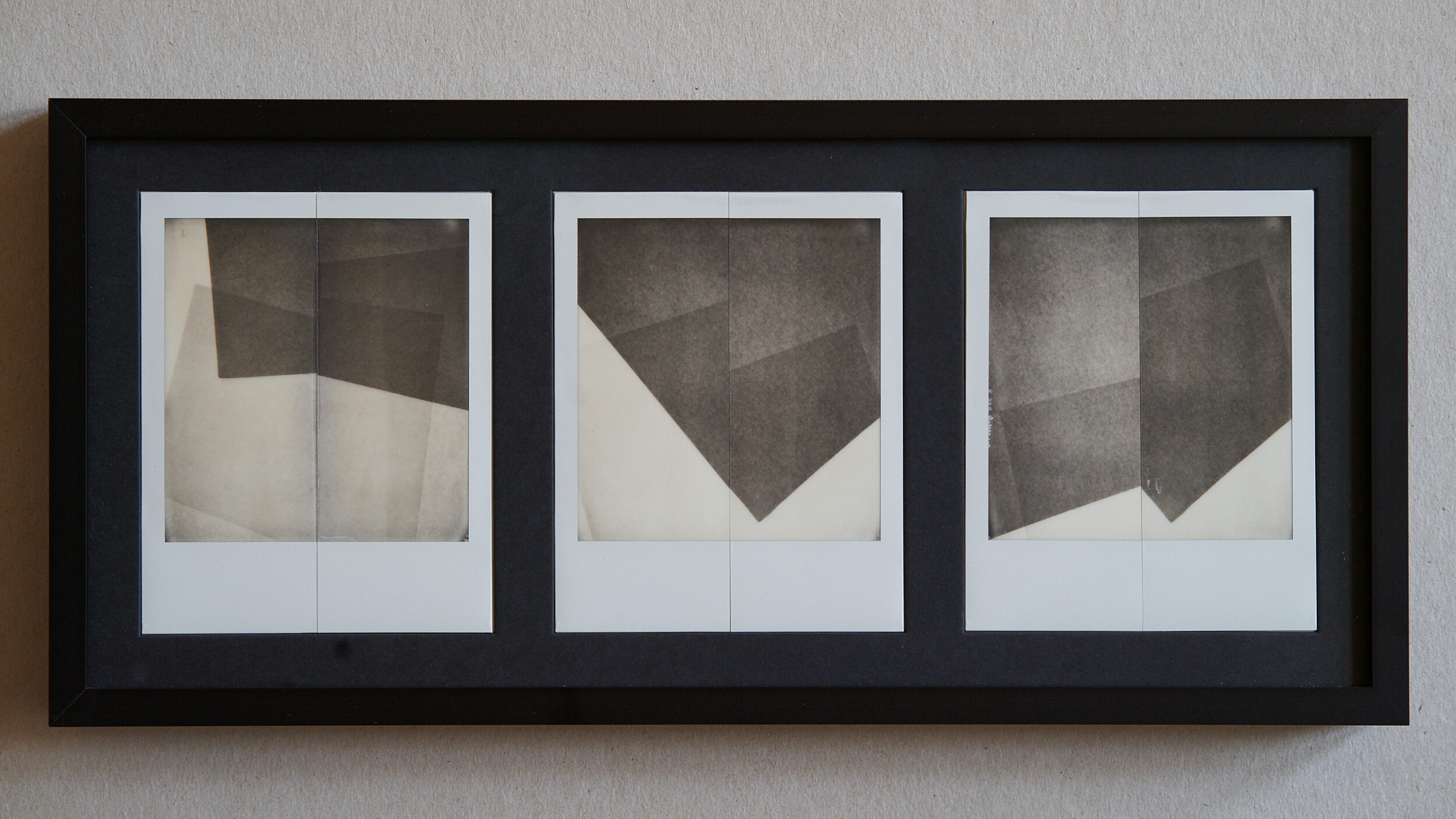
The images from the "Decisions" series are artistic exercises that aim to reach complex aesthetic decisions by following a simple rule: each Polaroid is cut in half, and the fragments are intuitively paired with others to form a new whole. These recombinations, presented in triptychs, create sequences that disrupt and redefine visual coherence. The imposed system, cut, exchange, reassemble, establishes a framework within which complexity emerges.
This method is not merely an aesthetic choice but an exploration of how constraints shape creative decision-making. In philosophy, rules are often seen as limiting, but they can also be generative. Wittgenstein suggested that meaning arises through use, within the boundaries of a system. Similarly, my work operates within a self-imposed logic, where the act of recombination is both a constraint and a possibility. The new images are neither random nor predetermined; they are the result of decisions made within a structured process, balancing order and spontaneity.
The repetition of this process across multiple images generates a rhythm, a visual language built from fragments. The triptychs establish sequences that suggest continuity, yet they deny seamless resolution. Each composition invites the viewer to navigate disjunctions, to reconstruct meaning from incomplete forms. This interplay between rule-based structure and intuitive decision-making mirrors broader patterns in art, language, and thought, where rigid frameworks can give rise to unexpected complexity.